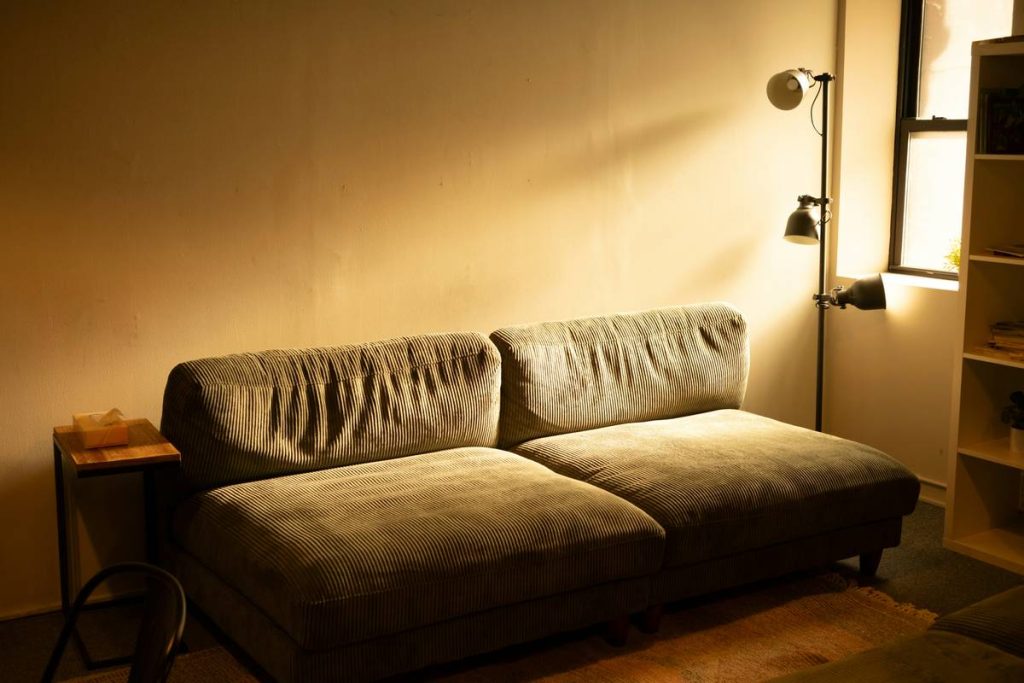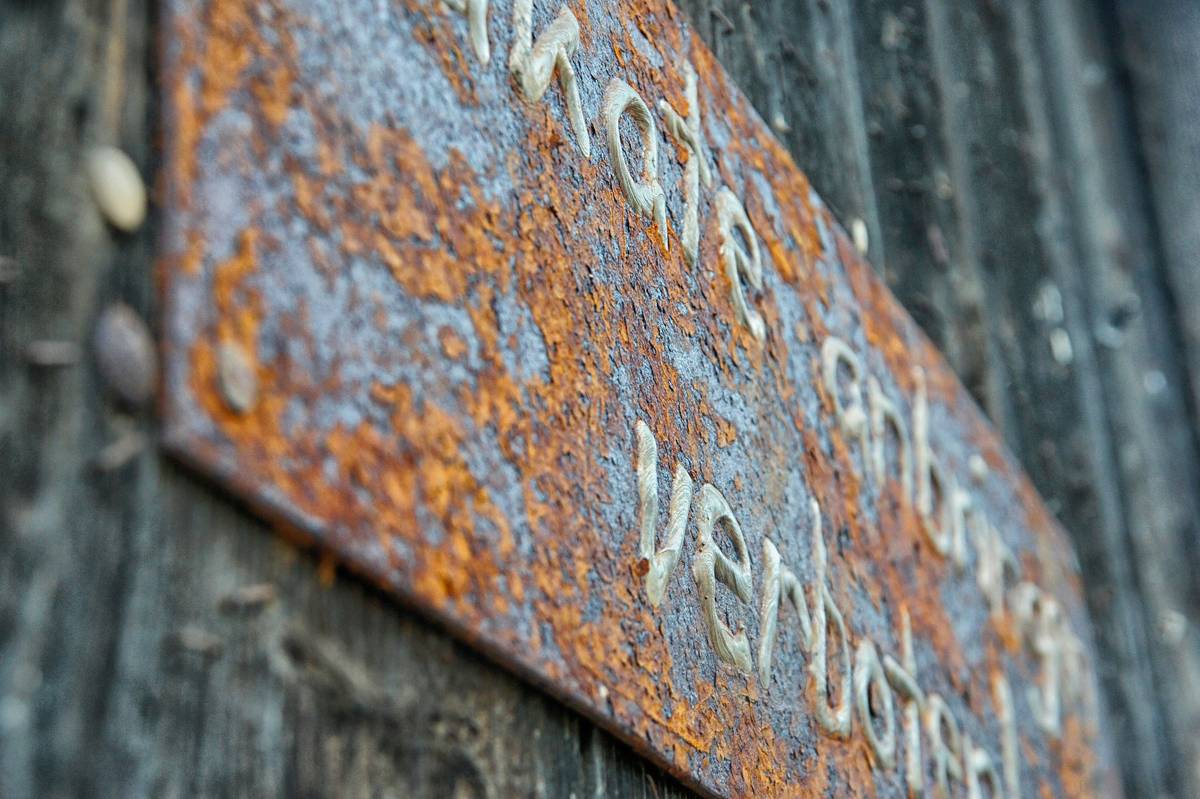
Ever stare at a blank wall like it’s judging your life choices? You’ve got the mid-century sofa, the macramé plant hanger, the $48 artisanal candle that smells like “rain on old paper”—but something’s still missing. What your space needs isn’t another throw pillow. It’s vintage signage for home decor.
I learned this the hard way after spending six weeks hunting for “character” in a sea of beige gallery walls—only to realize I’d been sleeping on one of interior design’s most evocative tools: authentic (or authentically styled) vintage signs. Not just any signage—but pieces with patina, story, and lighting that whispers “I’ve seen things” while tying your whole room together.
In this guide, you’ll discover how to choose, install, and illuminate vintage signage that feels curated—not cluttered. We’ll cover safe wiring practices, styling tricks pros use, common pitfalls (yes, including my neon diner sign disaster), and real examples from homes that nailed it. Whether you’re channeling 1950s Americana, industrial loft vibes, or French flea market chic, this is your blueprint.
Table of Contents
- Why Vintage Signage for Home Decor Actually Works (Spoiler: It’s Psychology)
- How to Choose the Right Vintage Sign for Your Space
- 5 Lighting & Placement Best Practices That Elevate (Not Overwhelm)
- Real Homes, Real Results: Case Studies That Prove It Works
- FAQs About Vintage Signage for Home Decor
Key Takeaways
- Vintage signage adds narrative depth and visual focal points without requiring renovation.
- Lighting is non-negotiable—unlit signs read as wall clutter, not decor.
- Authentic antique signs require UL-listed retrofits for safe indoor use; replicas should mimic era-specific materials.
- Scale matters: A 36” gas station sign overwhelms a studio apartment but anchors a farmhouse kitchen perfectly.
- Style should echo your existing palette—e.g., oxidized copper for rustic, enamel for retro, backlit acrylic for modern vintage.
Why Vintage Signage for Home Decor Actually Works (Spoiler: It’s Psychology)
Let’s cut through the Instagram fluff: People don’t buy vintage signage because it’s “trendy.” They buy it because it solves a silent design emergency—your walls feel empty, but art feels too precious or impersonal.
According to a 2023 Houzz Home Decor Report, 68% of homeowners who used decorative wall objects cited “conversational value” as the primary reason—meaning guests actually stop and say, “Where’d you get that?” Vintage signs deliver that instantly. They carry embedded storytelling: a faded “Open” diner sign implies hospitality; a weathered pharmacy bottle label nods to curiosity.
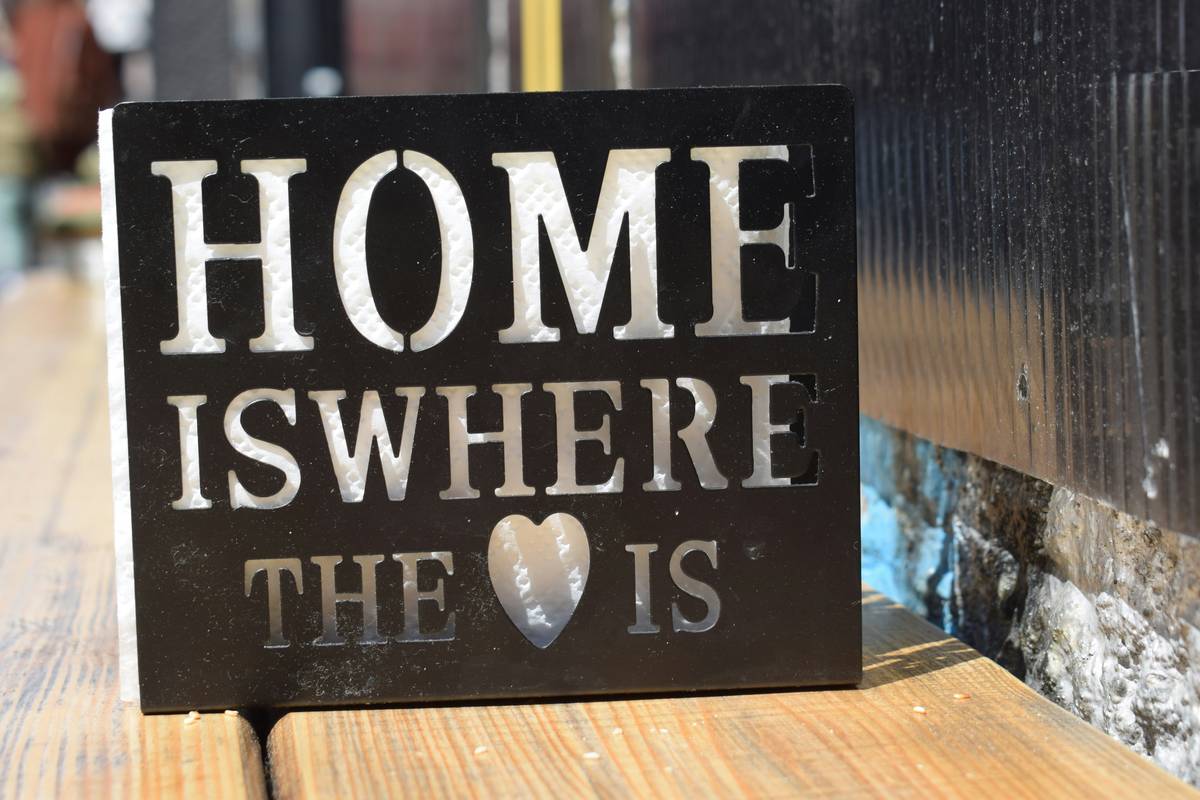
My confessional fail: I once hung a salvaged 1940s theater marquee above my bed… without testing the transformer. Woke up to a high-pitched buzz like a dying wasp trapped in a tin can. Not romantic. Lesson? Vintage lighting components often need modern, quiet replacements—even if they look “authentic.”
Optimist You: “Vintage signs add character effortlessly!”
Grumpy You: “Ugh, fine—but only if you promise to check for lead paint and frayed wires first.”
How to Choose the Right Vintage Sign for Your Space
What era matches my aesthetic?
Don’t just grab anything old. Match the sign’s origin to your vibe:
- 1920s–1940s: Enamel metal signs (think Coca-Cola, Shell Oil)—ideal for retro kitchens or man caves.
- 1950s–1970s: Neon or fluorescent-lit plastic signs (diner menus, motel vacancy boards)—perfect for eclectic or mid-century spaces.
- Industrial salvage: Cast iron, wood stencils, or riveted steel—great for loft apartments or farmhouse sinks.
Should I go authentic or replica?
Authentic antiques (found at estate sales, ReStore, or eBay) offer unmatched patina but may lack UL certification. If using indoors, always have a licensed electrician retrofit lighting components—especially for neon or hardwired pieces. According to the National Fire Protection Association (NFPA), 13% of home fires originate from electrical distribution failures; don’t gamble with untested vintage wiring.
High-quality replicas (from brands like Urban Road or Etsy artisans specializing in hand-distressed finishes) are safer, more affordable, and often pre-wired for plug-in use. Look for terms like “UL-listed driver” or “LED retrofit kit included.”
Does size matter? (Yes.)
Rule of thumb: your sign should occupy ⅔ the width of the furniture below it. A tiny “Beer” sign above a king-sized bed disappears. A massive “Garage” sign in a 10’x10’ entryway screams “warehouse clearance.”
5 Lighting & Placement Best Practices That Elevate (Not Overwhelm)
- Backlighting > Front-facing bulbs. Soft glow from behind creates dimension; bare bulbs cause hotspots and glare.
- Use warm white LEDs (2700K–3000K). Cool white kills the vintage mood. Warm tones mimic incandescent or neon warmth.
- Mount at eye level (58”–62” from floor to center). Not too high, not too low—just right for engagement.
- Group odd numbers. Three small signs > two. Five tiny apothecary labels > four. Odd groupings feel intentional.
- Leave breathing room. At least 6” of empty wall around the sign prevents visual congestion.
Terrible tip disclaimer: “Just hang it anywhere with Command Strips!” Nope. Most vintage signs weigh 8–20 lbs. Use drywall anchors or hit a stud. Nothing says “amateur hour” like a crashed Coca-Cola sign on your rug.
Rant Section: My Niche Pet Peeve
People slapping “vintage-style” vinyl decals on walls and calling it signage. Honey, if it peels off in 3 months and has no depth, texture, or light—it’s wallpaper. Real vintage signage has weight. It casts shadows. It hums faintly when lit. Don’t cheapen the craft.
Real Homes, Real Results: Case Studies That Prove It Works
Case Study 1: Brooklyn Brownstone Kitchen
Client struggled with a “sterile” all-white kitchen. Installed a restored 1930s General Store tin sign (measuring 24” x 18”) above open shelving, backlit with hidden LED strip (2700K). Result? The sign became the room’s anchor—guests now photograph it. “It feels lived-in,” said the homeowner.
Case Study 2: Austin Guest Bathroom
Tiny 5’x7’ space felt like a closet. Hung a 12” x 12” salvaged enamel “Men” restroom sign (neutral gray/blue) beside the mirror with a plug-in cord disguised along trim. Added instant personality without crowding. Bonus: cost under $90 total (sign + lighting kit).
Optimist You: “See? Vintage signage transforms dead zones!”
Grumpy You: “Only if you measure twice and drill once, you maniac.”
FAQs About Vintage Signage for Home Decor
Are vintage signs safe to use indoors?
Only if electrical components are inspected and updated by a licensed professional. Never plug in an antique sign with original wiring unless certified. When in doubt, go for battery-operated LED retrofits or replicas with modern safety standards.
How do I clean old metal or enamel signs?
Gently wipe with a microfiber cloth dampened with distilled water. Avoid vinegar or abrasive cleaners—they strip protective coatings. For rust spots, use a cotton swab with mineral oil to stabilize (not remove) oxidation.
Can I mix vintage signage with modern decor?
Absolutely. Pair a 1950s neon “Bar” sign with minimalist furniture to create tension and interest. The key is balance—one statement piece per room prevents chaos.
Where’s the best place to find authentic vintage signs?
Estate sales, salvage yards (like Demolition Depot in NYC), Facebook Marketplace (filter for “local pickup”), and specialty dealers like Olde Good Things. Always ask for close-up photos of wiring before buying.
Conclusion
Vintage signage for home decor isn’t just about nostalgia—it’s about injecting soul into your space with objects that speak. When chosen thoughtfully, lit properly, and placed with intention, these signs become the quiet heroes of your interior story. So ditch the generic canvas prints. Hunt for that weathered pharmacy label, that chipped garage sign, that softly glowing “Open” beacon. Your walls aren’t blank—they’re waiting for their next chapter.
Like a Tamagotchi, your vintage sign needs daily care—dust it, check its cords, and let it shine.
Faded letters glow—
Walls remember what we lost.
Coffee tastes better now.