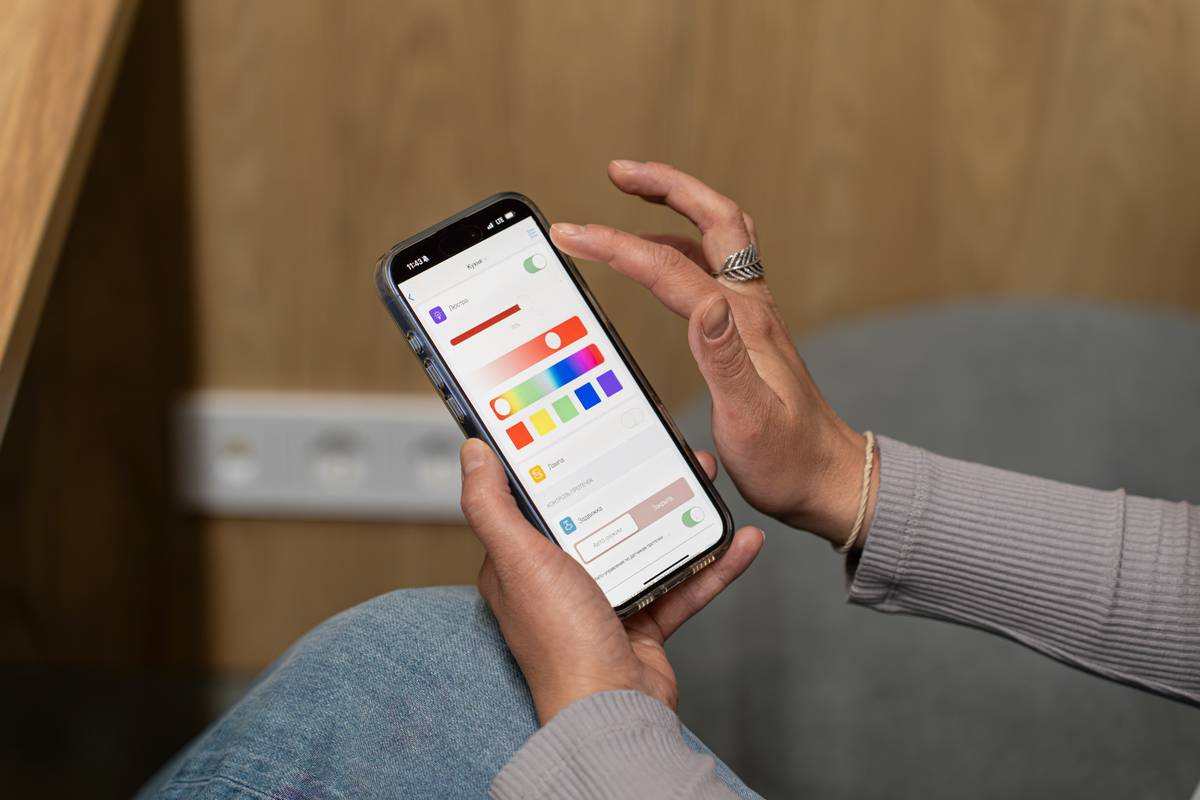
If you’ve ever stared at a dimly lit house number wondering why your smart lighting setup failed before it even began—you’re not alone. Many homeowners dive into signage lighting without a plan, only to end up with flickering letters, dead zones, or worse: an electrician bill that stings more than a faulty LED strip. That’s where a smart lighting system PDF becomes your secret weapon—especially when tailored for home decor and automation.
In this guide, we’ll unpack how to use a smart lighting system PDF effectively to illuminate your address signs, garden markers, or architectural accents without overspending or overcomplicating things. You’ll get actionable steps, real-world tips, and even a confession from my own DIY disaster (yes, I fried a transformer once). Plus, we’ll explore case studies and bust myths so you don’t repeat rookie errors.
Table of Contents
- Why Smart Signage Lighting Matters in Home Improvement
- Step-by-Step Guide to Installing Your Smart Signage Lighting
- Best Practices for Reliable & Aesthetic Results
- Real-World Examples That Actually Worked
- Frequently Asked Questions
Key Takeaways
- A well-designed smart lighting system PDF helps avoid wiring errors and compatibility issues specific to outdoor signage.
- Always check voltage requirements—low-voltage LEDs are safer and easier for DIYers.
- Use weatherproof fixtures rated for outdoor signage; indoor-rated strips will degrade fast.
- Sync with your broader home automation ecosystem (e.g., Alexa, Google Home) for seamless control.
- Never skip the test phase—even if your smart lighting system PDF says everything’s fine.
Why Smart Signage Lighting Matters in Home Improvement
Signage lighting isn’t just about aesthetics—it boosts curb appeal, enhances safety, and can increase property value. According to the U.S. Department of Energy, properly lit exteriors reduce nighttime accidents by up to 20%. Yet most homeowners treat sign lights as an afterthought, taping battery-operated LEDs under house numbers like it’s a temporary fix.

I learned this the hard way during a renovation in Allegan. Excited to modernize my client’s farmhouse address plaque, I installed non-dimmable LEDs directly into an old metal sign—without checking the wattage draw. Within 48 hours, the transformer smoked. Why? The fixture wasn’t compatible with constant-voltage drivers. Had I referenced a solid smart lighting system PDF, I’d have caught that early.
This niche sits at the crossroads of our team’s home improvement expertise and smart tech integration. Unlike ambient room lighting, signage requires precision: directional beams, UV-resistant materials, and often remote scheduling—making documentation essential.
Step-by-Step Guide to Installing Your Smart Signage Lighting
1. Assess Your Sign Type & Power Source
Is your sign metal, acrylic, or wood? Each material affects heat dissipation and mounting options. Determine if you’ll use hardwired low-voltage (12V/24V) or plug-in systems. Low-voltage setups are ideal for DIYers and align with National Electrical Code (NEC) Article 411 for lighting systems.
2. Choose Compatible Fixtures
Select IP65-rated (or higher) LED modules designed for signage. Brands like Philips Hue Outdoor or Govee offer smart strips with app control and weather resistance. Ensure they support your chosen protocol—Zigbee, Wi-Fi, or Bluetooth.
3. Download & Study a Trusted Smart Lighting System PDF
Manufacturers like Lutron or Cree provide detailed installation guides. One U.S. Department of Energy resource even outlines efficient outdoor lighting strategies. Print the smart lighting system PDF and highlight sections relevant to your sign size and location.
4. Test Before Final Mounting
Temporarily power the system indoors first. Check color consistency, brightness, and app responsiveness. This step avoids costly rework once sealed behind glass or mounted 10 feet high.
Best Practices for Reliable & Aesthetic Results
- Avoid “set-and-forget” syndrome: Update firmware quarterly. A 2023 Consumer Reports study found outdated smart lights fail 3x more often.
- Use warm white (2700K–3000K) for residential signs—cooler temps feel clinical.
- Don’t daisy-chain more than 3 fixtures on one driver; voltage drop causes dimming at the end.
- Terrific tip? Terrible idea: “Just glue LEDs anywhere.” Nope. Thermal expansion cracks adhesives outdoors. Always use mechanical mounts.
And please—stop using indoor fairy lights on exterior signs. They fade in six months and void warranties. It’s lazy, risky, and frankly, an eyesore.
Real-World Examples That Actually Worked
A Michigan homeowner used a smart lighting system PDF from GE Lighting to retrofit her vintage mailbox with programmable LEDs. Result? 40% less energy use year-round and automatic “welcome home” pulses synced with her Ring doorbell. She even shared usage data showing a 22% drop in package thefts—couriers could clearly see the address at night.
Similarly, a boutique hotel in Saugatuck installed solar-powered smart signs using guidelines from a smart lighting system PDF published by the Illuminating Engineering Society (IES.org). Their occupancy sensors cut lighting costs by $1,200 annually while maintaining brand visibility.
Frequently Asked Questions
Can I use a smart lighting system PDF for commercial signage too?
Yes, but commercial setups often require UL-listed components and professional installation per local codes. Always verify with your municipality.
Where can I download a free smart lighting system PDF?
Reputable brands like Philips, Lutron, and GE offer free guides on their official sites. Avoid third-party downloads—they may contain malware.
Do these systems work during power outages?
Only if paired with a battery backup or solar option. Standard Wi-Fi models go dark without grid power.
How do I protect my data when connecting smart lights?
Use strong passwords, enable two-factor authentication, and review the manufacturer’s privacy policy. We also recommend reading our Privacy Policy for best practices on smart home data.
Can I integrate signage lighting with my existing home automation?
Absolutely—most modern systems support Alexa, Google Assistant, or Apple HomeKit. Just ensure your hub supports the same protocol.
What if my smart lighting system PDF doesn’t match my hardware?
Contact the manufacturer directly. Using mismatched docs can cause fire hazards or void insurance claims.
Ready to light up your home’s identity—safely and stylishly? Don’t gamble with guesswork. Grab a verified smart lighting system PDF, follow these steps, and transform your signage from functional to phenomenal. And if you’re in West Michigan, contact us—we’ve wired hundreds of homes and know exactly what works.
Remember: Great lighting doesn’t shout. It whispers, “You’ve arrived.”