Your lights flicker on at 7 a.m.—not because you’re awake, but because your “smart” system blindly follows yesterday’s schedule. You’re not controlling light—you’re just automating chaos. A true smart home lighting control system doesn’t just turn bulbs on and off. It responds to mood, movement, time of day, and even weather. And most homeowners never get there.
Why Your Current Lighting Setup Is Failing You
Traditional switches? Static. Basic smart bulbs? Siloed. Even popular hubs treat lighting like an afterthought—slapping timers onto fixtures with zero context. You end up with scenes that feel robotic, not refined.
Worse: inconsistent color temperatures across brands, delayed responses, and apps that crash more than they connect. The result? People abandon automation within six weeks. They revert to flipping switches like it’s 1995.
And that defeats the entire purpose of integrating lighting into your home decor strategy.
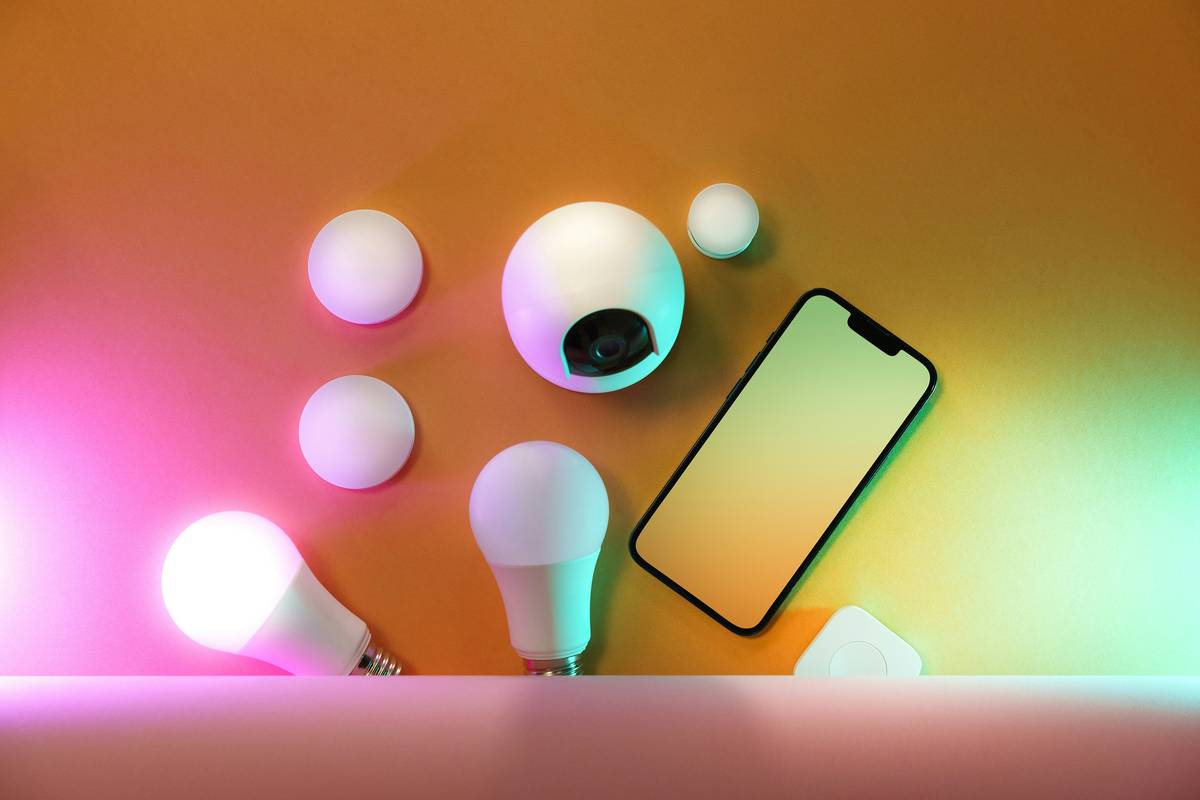
How to Build a Cohesive Smart Home Lighting Control System That Actually Works
Forget plug-and-pray. Real control starts with layered intelligence—not just gadgets. Here’s how to do it right:
Map Light Zones by Function, Not Just Rooms
A kitchen isn’t one zone—it’s task (countertops), ambient (ceiling), and accent (cabinets). Design your system around human behavior, not square footage.
Prioritize Protocol Compatibility Over Brand Hype
Zigbee, Z-Wave, Matter—all matter. But mixing protocols without a unified bridge creates lag and dropouts. Choose a central hub that speaks every language your lights use.
Calibrate Circadian Rhythms Into Your Scenes
Lighting should shift from cool (6500K) at dawn to warm (2700K) by dusk—automatically. This isn’t luxury; it’s biology. Most systems ignore this, leaving you fatigued and disoriented.
| Approach | Upfront Cost | Long-Term Flexibility | Integration Depth |
|---|---|---|---|
| Standalone Smart Bulbs | $50–$150 | Low | Surface-level (app-only) |
| Wi-Fi Switches + Basic Hub | $200–$400 | Moderate | Limited scene logic |
| Professional-Grade System (Zigbee/Z-Wave + Matter Hub) | $600–$1,500+ | High | Full automation with sensors, schedules, and third-party triggers |
The Industry Secret: Lighting Should Disappear
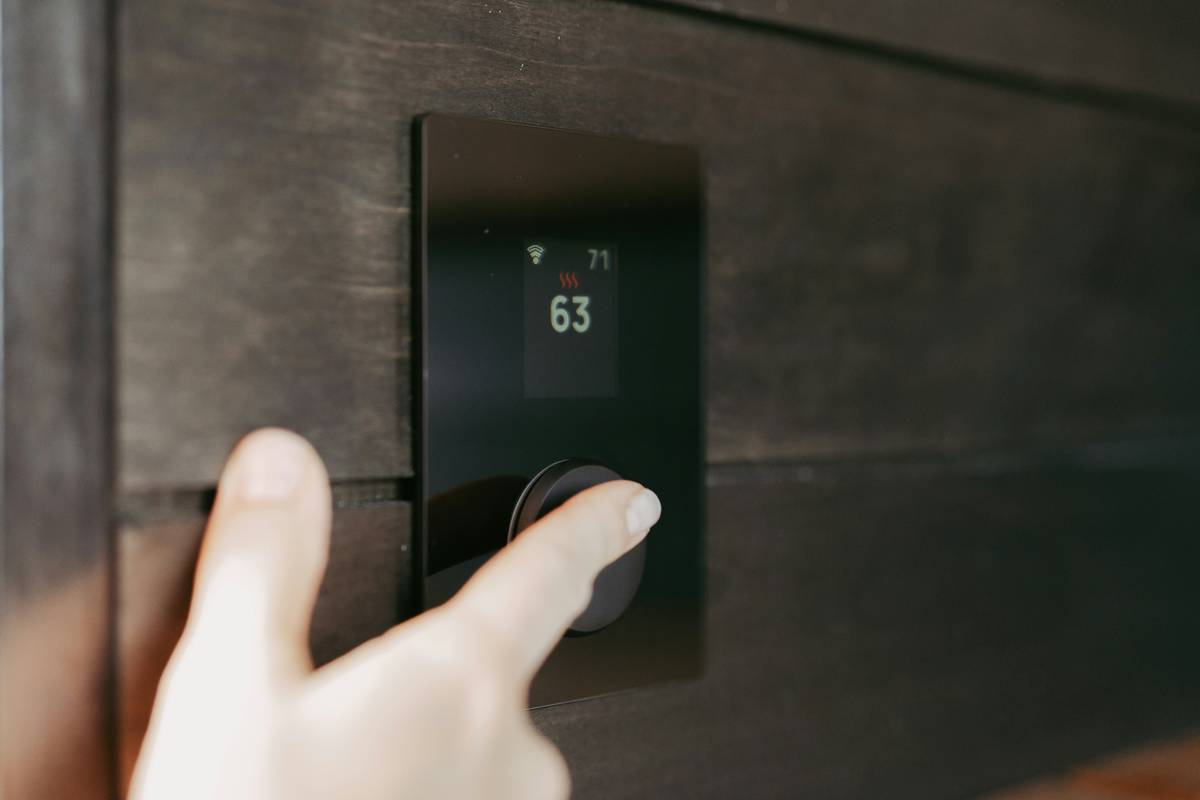
Here’s what no vendor tells you: the best smart home lighting control system is the one you forget exists. Pros embed controls into walls, mirrors, or even furniture—no apps needed for daily use. Voice is great for guests. But touchless automation? That’s where real elegance lives.
Think motion-triggered path lighting that dims behind you as you walk upstairs. Or bathroom mirrors that brighten only when someone stands in front of them. These aren’t sci-fi—they’re achievable today with off-the-shelf sensors and thoughtful zoning.
The math is simple: if you’re opening an app to adjust your living room lights, your system failed.
Frequently Asked Questions
Can I retrofit old homes with a smart lighting system?
Yes—use battery-powered smart switches or wireless in-wall modules that bypass rewiring. Just ensure your hub supports legacy infrastructure.
Do all smart bulbs work with every control system?
No. Stick to Matter-certified devices or match protocol families (e.g., all Zigbee). Mixing ecosystems causes reliability issues.
Is professional installation worth it?
For whole-home coverage and seamless integration with HVAC or security, absolutely. DIY works for single rooms—not holistic design.