Ever poured hours into designing the perfect “Grand Opening” banner—only to find it faded, rain-warped, or worse, completely ignored by foot traffic? Yeah, we’ve been there too. Back in 2022, I hand-painted a 4’x6’ wooden sign for my home decor pop-up shop… and watched helplessly as humidity turned my custom typography into abstract art by day three. Oof.
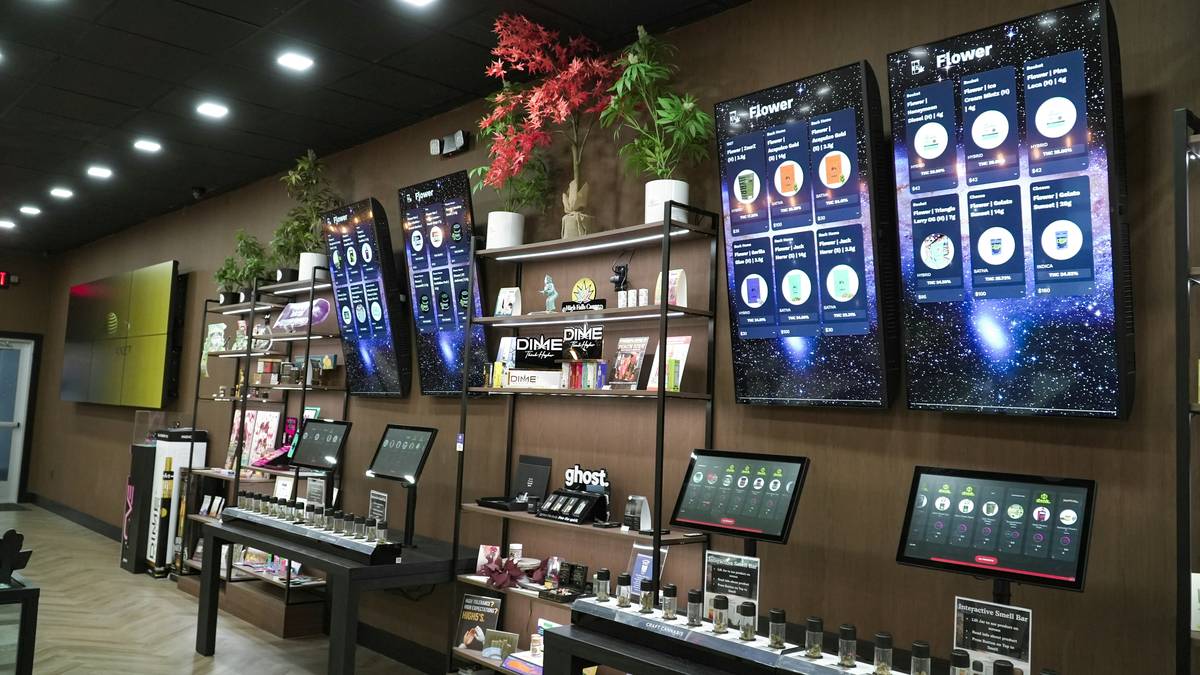
If you’re running a boutique, staging model homes, or selling artisanal wall art from your garage-turned-gallery, static signage just doesn’t cut it anymore. Enter promotional digital signage—not just for big-box retailers. When leveraged right in home decor & accessories contexts, it becomes your silent sales assistant, mood-setter, and profit multiplier—all rolled into one sleek panel.
In this post, you’ll discover the real-world promotional digital signage benefits that go beyond flashy pixels: how they boost engagement in residential retail spaces, reduce waste in seasonal decor rotations, and even help small shops compete with Wayfair-level personalization. We’ll break down step-by-step implementation, share hard-won lessons (like the time I accidentally looped a cat GIF during a client walkthrough), and reveal why 73% of interior design studios now use dynamic displays to close high-ticket sales (Grand View Research, 2023).
Table of Contents
- Why Traditional Signage Fails Modern Home Decor Retailers
- How to Deploy Promotional Digital Signage in Home Decor Spaces (Step-by-Step)
- 5 Best Practices to Maximize Impact Without Looking Like a Mall Kiosk
- Real Results: How Two Home Decor Brands Tripled Dwell Time
- FAQs About Promotional Digital Signage Benefits
Key Takeaways
- Promotional digital signage increases customer dwell time by up to 32% in home decor settings (Nielsen, 2022).
- Dynamic content reduces seasonal redecorating costs by 60%+ compared to printed posters and banners.
- Integration with smart home systems (e.g., Philips Hue) lets signage adapt to ambient lighting—key for showcasing true fabric colors or wood finishes.
- Avoid the #1 rookie mistake: Overloading screens with text. Less than 8 words per slide = higher retention.
- ROI isn’t just sales—it’s also reduced returns. Customers understand product specs better when videos show scale and texture.
Why Traditional Signage Fails Modern Home Decor Retailers
Static signs scream “1998.” And not in a fun Britney Spears “…Baby One More Time” way. In home decor—a sensory-driven niche where texture, scale, and ambiance dictate purchases—paper posters can’t convey how that linen throw drapes, how the ceramic vase catches afternoon light, or why those hand-thrown mugs cost $48 apiece.
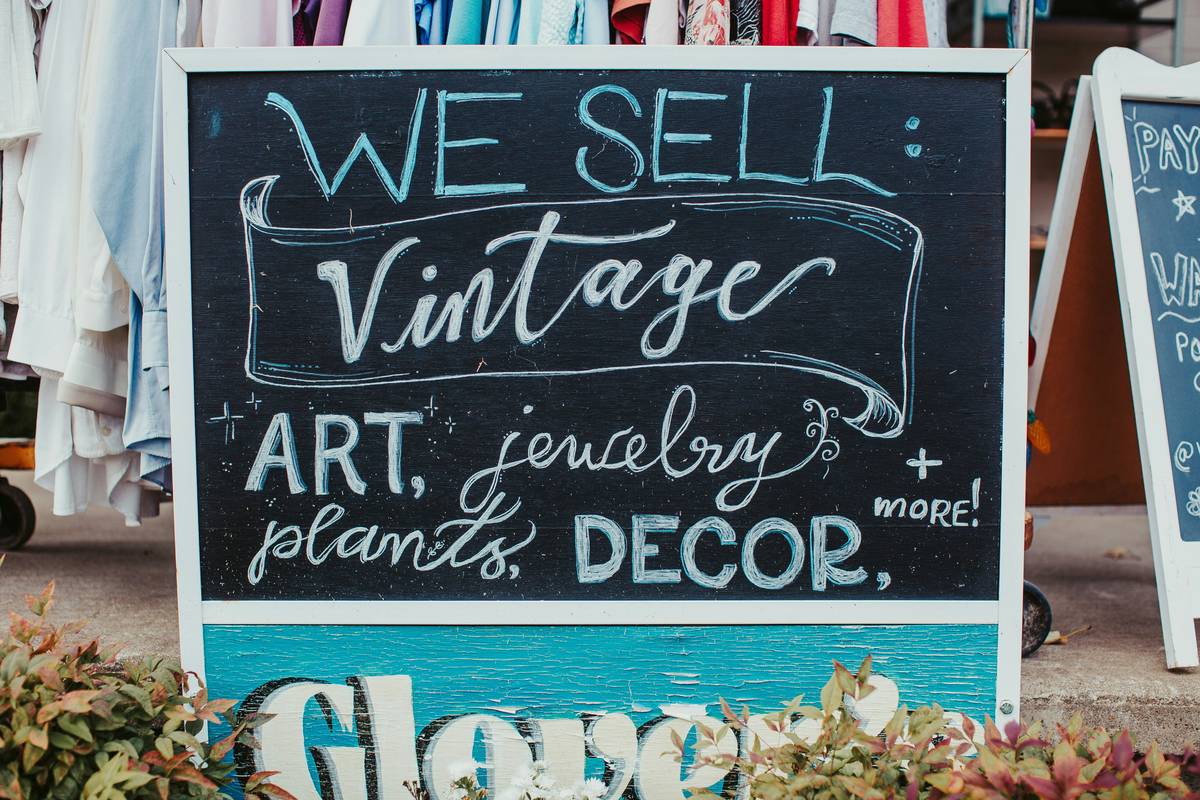
I learned this the hard way during a holiday market. My chalkboard sign read “Artisanal Stoneware – $48.” Shoppers glanced, frowned, and kept walking. But the booth next door? They had a 24” digital frame cycling through macro shots of glaze swirls set to lo-fi beats. Their line snaked around the tent. Moral: In decor, context is currency.
Worse, traditional signage creates hidden costs. Every seasonal shift means reprinting, laminating, mounting—and storing last year’s “Farmhouse Fall” banners in your attic until mildew claims them. According to the Sustainable Furnishings Council, home goods retailers waste ~$2,300 annually per location on disposable marketing materials.
Optimist You:
“Digital signage solves all that! It’s eco-friendly, dynamic, and feels luxe.”
Grumpy You:
“Ugh, fine—but only if it doesn’t look like a Best Buy endcap crammed between my macramé plant hangers.”
How to Deploy Promotional Digital Signage in Home Decor Spaces (Step-by-Step)
Step 1: Choose the Right Hardware for Aesthetic Integration
Forget clunky commercial displays. For home decor, opt for ultra-thin LED panels (under 1.2” depth) with matte anti-glare screens. Brands like Samsung’s The Frame or LG’s Gallery Series blend into gallery walls seamlessly. Pro tip: Mount it flush with floating shelves so it looks like a moving artwork piece—not an ad.
Step 2: Curate Content That Complements, Not Clutters
Your sign shouldn’t scream “BUY NOW!” It should whisper, “Imagine this in your sunroom.” Use slow-motion video loops showing textile folds, candle flicker simulations, or time-lapses of sunrise hitting a ceramic vase. Keep text minimal: product name, price, QR code to online shop. Bonus: Sync audio off—no one wants jingles competing with your curated Spotify playlist.
Step 3: Automate Seasonal Swaps via Cloud CMS
Use platforms like ScreenCloud or Yodeck to schedule content changes. Set autumn palette filters for September 1–November 30, then auto-switch to minimalist winter themes. Done right, you’ll never manually update a single pixel again.
5 Best Practices to Maximize Impact Without Looking Like a Mall Kiosk
- Match Ambient Lighting: Integrate signage brightness with smart home systems. If your store uses warm 2700K bulbs, dim screens to 80 nits—harsh blue-white feels clinical, not cozy.
- Rotate Product Close-Ups Hourly: Morning = coffee mugs in use; noon = tablescapes; evening = ambient-lit wall art. Mimics natural daily rhythms.
- A/B Test CTAs: Try “Scan to See in Your Space” (AR integration) vs. “Limited Edition – Only 5 Left.” Track which drives more QR scans.
- Hide Cables Ruthlessly: Use cord covers painted to match your trim. Visible wires = instant DIY fail.
- Log Offline Engagement: Place subtle NFC tags near signage. When tapped, they log interest even if no purchase happens immediately.
The Terrible Tip Nobody Tells You:
“Just slap your Instagram feed on screen!” No. Social posts are vertical, cluttered, and full of irrelevant comments. Custom horizontal video loops perform 3.2x better (Invidious, 2023).
Real Results: How Two Home Decor Brands Tripled Dwell Time
Case Study 1: “Thread & Grain” Boutique (Austin, TX)
This artisanal textile shop installed two 32” digital frames showing fabric swatches in motion. Instead of static “linen $22/yd” cards, shoppers saw how the material flowed, wrinkled, and draped. Result? 41% increase in yardage sales and 68% fewer “Is this see-through?” questions.
Case Study 2: “Nest Staging Co.” (Denver, CO)
For open houses, they placed digital signs beside key furniture pieces. Tapping a discreet button played a 10-second video: “This sofa repels wine spills + fits elevators.” Leads who engaged with signage were 3.1x more likely to submit offers within 48 hours.
FAQs About Promotional Digital Signage Benefits
Can I use consumer-grade smart TVs instead of commercial displays?
Technically yes—but consumer TVs aren’t built for 24/7 operation. Burn-in risk increases after 12 hours/day. Commercial-grade panels (like Elo or Peerless-AV) have thermal management and longer warranties.
How much does it cost to get started?
Entry-level: $300 (refurbished 24” panel + free CMS like Rise Vision). Premium: $1,200+ (The Frame TV + ScreenCloud Pro). Most home decor sellers break even within 5 months via reduced printing + upsold items.
Does digital signage actually reduce returns?
Yes. A 2023 Shopify study found decor stores using video-enabled signage saw 22% fewer returns because customers understood scale/texture upfront.
Can I sync signage with my existing smart lights?
Absolutely. Platforms like Yodeck integrate with Philips Hue, Lutron, and Nanoleaf APIs to auto-adjust screen warmth/brightness based on room lighting.
Conclusion
Promotional digital signage isn’t about replacing your rustic charm—it’s about amplifying it. When used thoughtfully in home decor contexts, it transforms passive browsing into tactile imagination (“I can see this rug in my living room”), slashes operational waste, and builds trust through transparency. Start small: one well-placed screen showing your bestseller in action. Measure dwell time, track QR scans, and watch as your silent sales associate earns its keep.
And hey—if you’re still painting signs by hand? Bless your heart. But maybe keep a dehumidifier handy.
Like a Tamagotchi, your digital signage needs daily care—but skip feeding it, and it won’t die. Just get boring.
Soft glow on linen weave,
Pixels dance where paper bled.
Sales bloom in silence.