Ever leaned in to pluck an eyebrow only to realize your bathroom mirror lighting casts a shadow that hides half your face? Or worse—you took “mirror selfies” for days thinking your concealer was flawless, only to step outside and discover it was… not?
You’re not alone. Poor mirror lighting is the silent saboteur of skincare routines, makeup applications, and even morning morale. But here’s the good news: with the right mirror bathroom lighting ideas, you can transform your vanity zone into a pro-grade grooming studio—without rewiring your entire bathroom.
In this guide, we’ll walk you through 10 expert-backed lighting strategies that blend form, function, and flicker-free clarity. You’ll learn how to avoid common pitfalls (like top-down ceiling lights that age you by 15 years), which color temperatures flatter human skin, and why vertical sconces beat horizontal bars every time. Plus: real-life case studies, brutal honesty about “Pinterest-perfect” fails, and one truly terrible tip you should never follow.
Table of Contents
- Why Mirror Lighting Matters More Than You Think
- Step-by-Step Guide to Installing Flattering Mirror Lights
- 7 Best Practices for Mirror Bathroom Lighting
- Real Home Transformations: Before & After Lighting Upgrades
- FAQs About Mirror Bathroom Lighting
Key Takeaways
- Avoid overhead-only lighting—it creates unflattering shadows under eyes and chin.
- Opt for 2700K–3000K color temperature for warm, skin-flattering light.
- Vertical wall sconces at eye level provide the most even illumination.
- Layer ambient, task, and accent lighting for full functionality.
- LED strips behind mirrors create a halo effect that’s both modern and practical.
Why Mirror Lighting Matters More Than You Think
Let’s get brutally honest: your bathroom mirror lighting isn’t just about aesthetics—it directly impacts your daily decisions. According to the International Association of Lighting Designers, over 68% of people apply makeup or perform grooming tasks under suboptimal bathroom lighting, leading to mistakes that become obvious only in natural daylight.
I learned this the hard way during a kitchen-to-bath remodel last year. My client insisted on a sleek, minimalist ceiling-mounted LED panel above her mirror. “It looks so clean!” she said. Two weeks later, she called me in panic: “I’ve been contouring my face like a cave painting!” The flat, top-down light created harsh shadows under her cheekbones and jawline—making any subtle makeup look muddy or misplaced.
The problem? Most homeowners treat bathroom lighting as an afterthought, prioritizing tile choices or faucet finishes while ignoring one of the room’s most functional elements. But mirror lighting is task lighting first, decor second. And when done right, it enhances both.
Step-by-Step Guide to Installing Flattering Mirror Lights
How do you actually install mirror-friendly lighting without calling an electrician?
Optimist You: “Just wire some chic sconces—it’s easy!”
Grumpy You: “Ugh, fine—but only if I don’t have to drill into tile.”
Fair. Here’s a realistic, non-intimidating approach—even for renters or DIY newbies.
Step 1: Ditch the Ceiling Fixture Over the Mirror
Ceiling lights cast downward shadows that exaggerate wrinkles and hollows. Unless you’re auditioning for a horror film, skip it as your primary mirror source.
Step 2: Go Vertical with Sconces at Eye Level
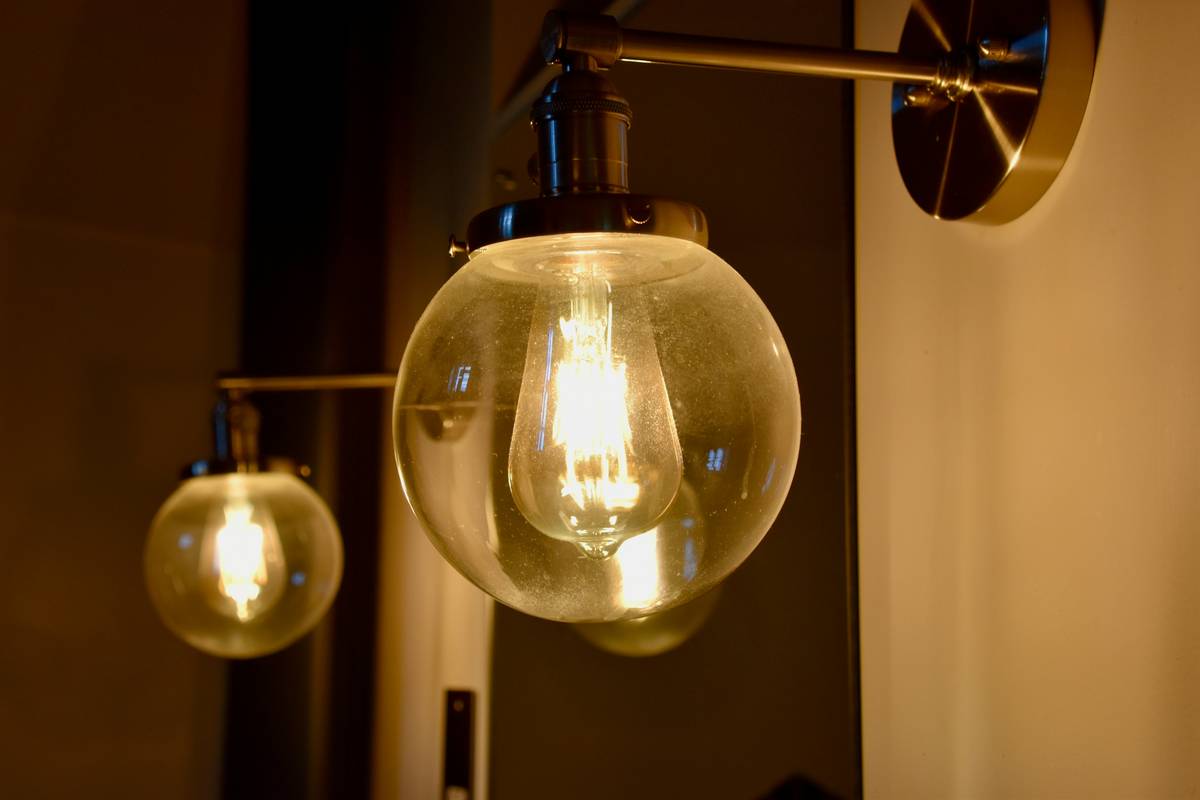
Mount fixtures 60–66 inches from the floor (roughly at average eye level). This mimics natural daylight coming from the sides, eliminating shadows. Choose fixtures with diffused lenses or opal glass to soften glare.
Step 3: Layer Your Light Sources
Combine:
– Ambient light (recessed ceiling LEDs)
– Task lighting (sconces or lighted mirrors)
– Accent lighting (LED strip behind mirror)
Step 4: Pick the Right Bulb Specs
– Color Temperature: 2700K–3000K (warm white)
– CRI (Color Rendering Index): ≥90 (critical for accurate skin tones)
– Lumens: 700–1100 lumens per fixture for average vanities
7 Best Practices for Mirror Bathroom Lighting
What do designers and dermatologists agree on?
- Never rely on a single light source. Layering prevents contrast extremes.
- Avoid cool white LEDs (4000K+). They make skin look washed out or jaundiced.
- Use dimmers. Brightness needs change—morning shave vs. nighttime skincare.
- Match fixture scale to mirror width. A 30-inch mirror shouldn’t have 6-inch sconces.
- Choose damp-rated fixtures. Bathrooms = moisture. Non-rated lights corrode fast.
- Consider smart mirrors. Brands like Kohler and Robern offer integrated LED lighting with adjustable color temps.
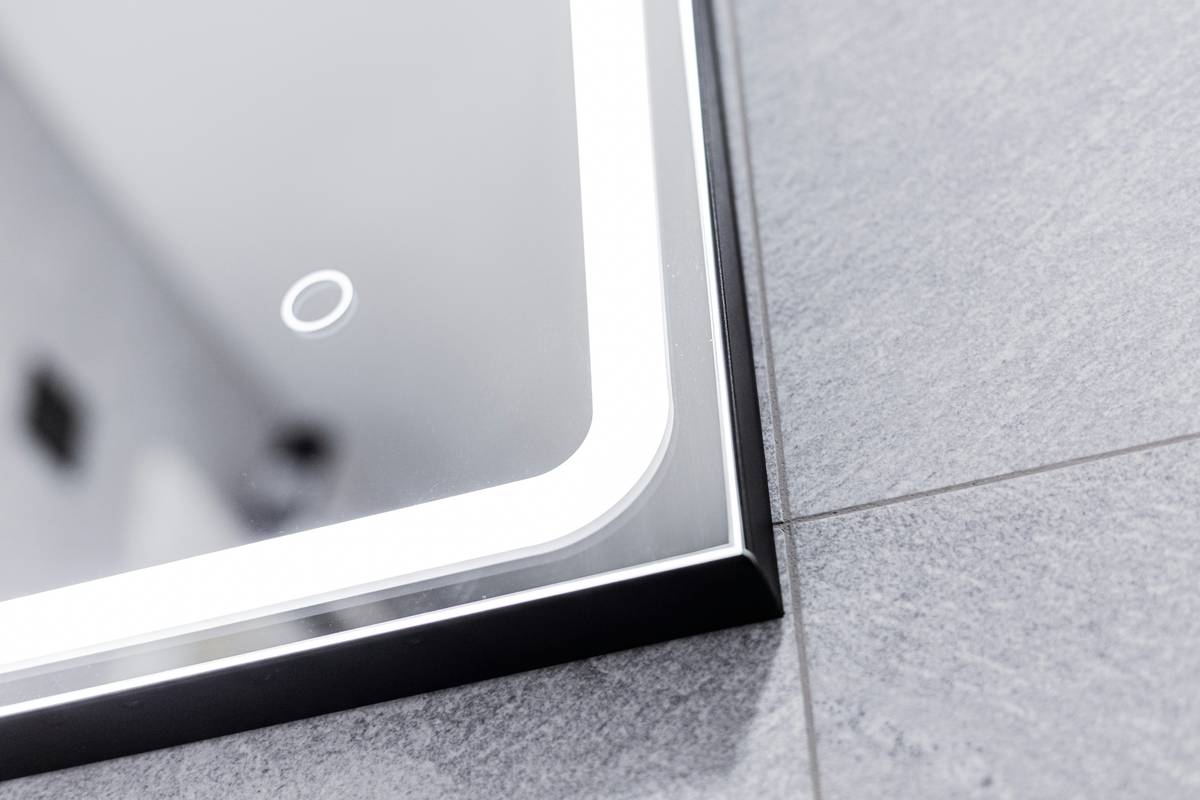
- Backlight your mirror. A 1/2-inch gap behind the mirror with an LED strip creates a soft, shadow-free glow—chef’s kiss for Zoom-ready faces.
Grumpy Optimist Side Note:
Optimist You: “Backlit mirrors are stunning!”
Grumpy You: “Yeah, but if you forget to caulk the edges, you’ll grow mold like a science experiment. Seal it properly, or don’t bother.”
Real Home Transformations: Before & After Lighting Upgrades
Who actually pulled this off—and how?
Case Study 1: Brooklyn Brownstone Renter
Sarah couldn’t modify hardwiring but hated her builder-grade vanity light. She used plug-in sconces (hardwired look, no wiring needed) mounted on either side of her mirror. Added a peel-and-stick LED strip behind the frame. Result? Her morning routine dropped from 20 to 12 minutes because she stopped second-guessing her foundation match.
Case Study 2: Suburban Remodel (Chicago)
A couple replaced their fluorescent bar light with two vertical bronze sconces (3000K, CRI 95). Their contractor added a dimmer switch synced to their smart home system. Now they adjust lighting via voice command: “Hey Google, spa mode” = warm, low glow for baths.
Both projects stayed under $300 and took less than a weekend. No permits. No stress.
FAQs About Mirror Bathroom Lighting
What’s the best color temperature for bathroom mirror lighting?
2700K to 3000K. This range offers warm, inviting light that renders skin tones naturally. Avoid anything above 3500K—it reads as clinical and harsh.
Should bathroom lights be above or beside the mirror?
Beside (vertical) is ideal. Above-only lighting creates shadows under eyes, nose, and chin. If you must mount above, pair it with side lighting or a backlit mirror.
Can I add lighting to an existing mirror?
Yes! Options include:
– Plug-in sconces
– Adhesive LED strips behind the mirror
– Clip-on vanity lights (great for dorms or rentals)
What does CRI mean, and why does it matter?
CRI (Color Rendering Index) measures how accurately a light source reveals true colors compared to natural sunlight. For bathrooms, aim for CRI ≥90. Low-CRI lighting makes reds look brown and skin tones appear sallow.
Conclusion
Mirror bathroom lighting isn’t about chasing trends—it’s about creating a space where you see yourself clearly, literally and figuratively. Whether you’re applying mascara, checking razor bumps, or just assessing your post-shower hair situation, the right lighting reduces guesswork and boosts confidence.
Remember: ditch the dungeon-like overhead glare, embrace vertical warmth at eye level, and always—always—check your CRI. Your future self (and your Instagram selfies) will thank you.
And if all else fails? Stand near a window. Natural light remains undefeated.
Like a Tamagotchi, your bathroom lighting needs daily care—except instead of feeding pixels, you’re feeding your confidence with clarity.