If you’ve ever squinted at your reflection while applying eyeliner or struggled to see blemishes under flickering bulbs, you’re not alone. Poor bathroom lighting is a silent saboteur of daily routines—and aesthetics. That’s where a vanity mirror with built in lighting transforms chaos into clarity. In this guide, we’ll unpack why this upgrade matters, how to choose wisely, and the pitfalls to dodge—based on real-world installs (and one painfully botched DIY attempt).
Table of Contents
- Why Your Bathroom Deserves Better Lighting
- How to Choose and Install Your Vanity Mirror
- Best Practices for Optimal Illumination
- Real Results from Smart Upgrades
- Frequently Asked Questions
Key Takeaways
- A vanity mirror with built in lighting eliminates shadows and reduces eye strain during grooming.
- Color temperature (measured in Kelvin) dramatically affects how true your skin tone appears—aim for 3000K–4000K.
- Hardwired units offer cleaner aesthetics; plug-in models provide flexibility but require outlet access.
- Always measure your space before purchasing—oversized mirrors overwhelm small bathrooms.
Why Your Bathroom Deserves Better Lighting
Most standard bathroom fixtures cast light downward from above, creating unflattering shadows under eyes, nose, and chin. This isn’t just inconvenient—it leads to makeup errors, missed shaving spots, and overall frustration. According to the U.S. Department of Energy, proper task lighting can reduce energy use by up to 50% compared to over-lighting entire rooms.
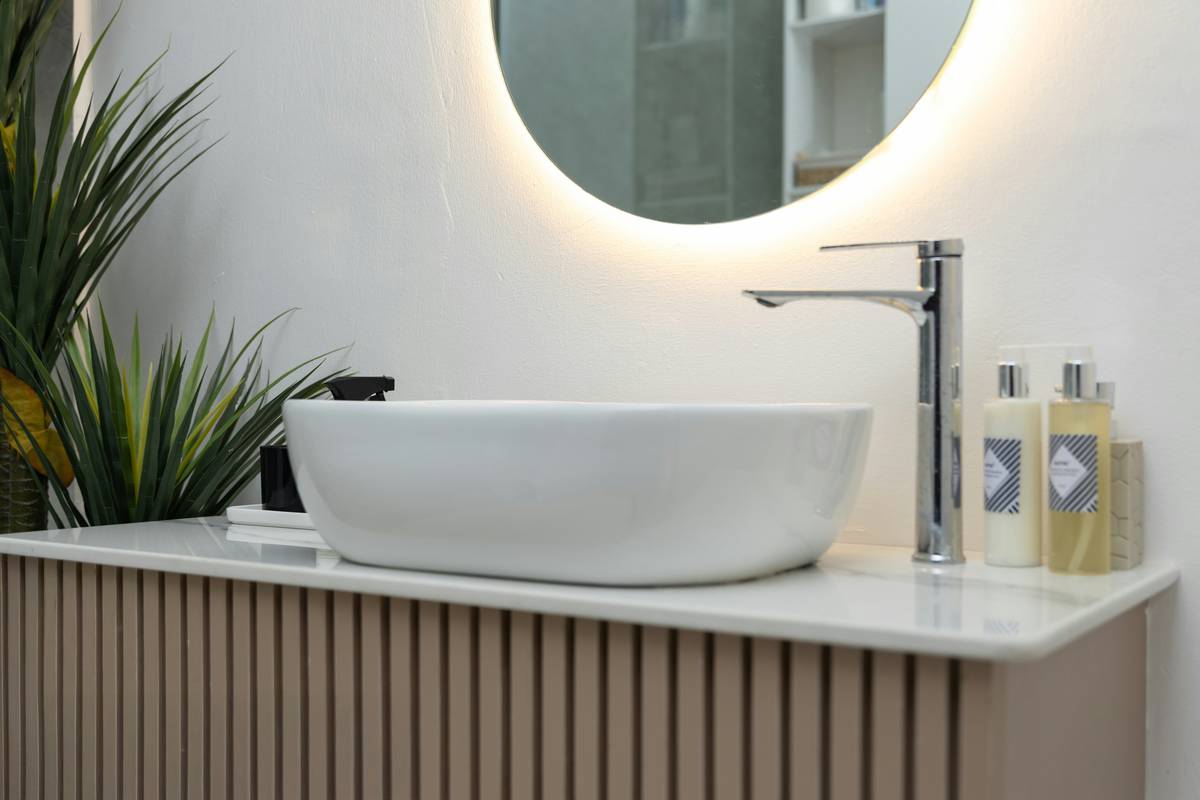
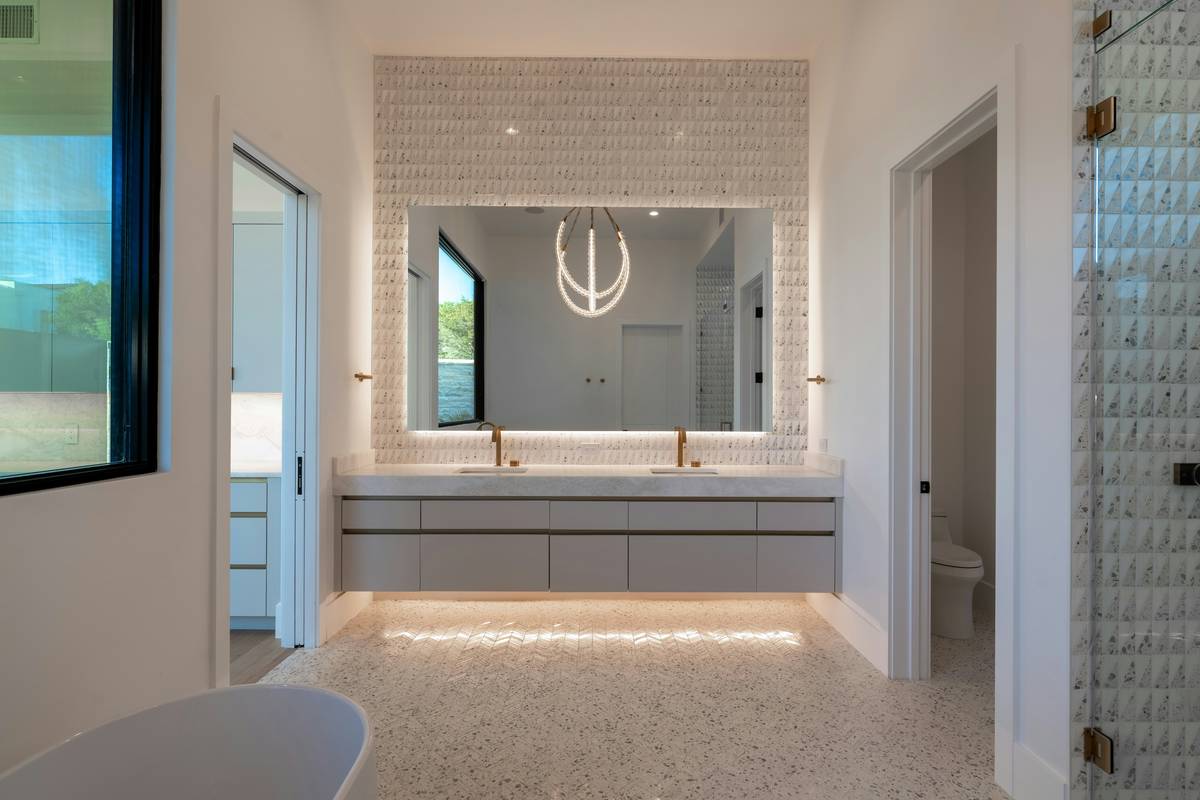
I learned this the hard way during my first rental flip. Eager to cut costs, I installed cheap LED strips behind a basic mirror. Within weeks, the adhesive failed, the lights flickered like a disco ball, and tenants complained about “ghostly” reflections. Never again. A purpose-built vanity mirror with built in lighting integrates illumination seamlessly—no exposed wires, no hotspots, just consistent, flattering brightness.
How to Choose and Install Your Vanity Mirror
Step 1: Determine Your Mounting Style
Choose between wall-mounted (most common), tabletop (ideal for renters), or cabinet-integrated designs. Wall units often require professional wiring if hardwired.
Step 2: Evaluate Light Quality
Look for CRI (Color Rendering Index) ratings above 90—the higher, the truer colors appear. Pair this with a 3000K–4000K color temperature for natural daylight simulation without harsh blue tones.
Step 3: Measure Carefully
Your mirror should be ~75% the width of your vanity. For double sinks, consider two separate units rather than one massive mirror that crowds the space.
Step 4: Decide on Power Source
Hardwired models offer sleekness; plug-in versions allow easy relocation. If going wireless, ensure nearby GFCI outlets meet electrical codes per the National Electrical Code.
Best Practices for Optimal Illumination
- Avoid top-only lighting: Side-mounted LEDs mimic professional dressing rooms by eliminating facial shadows.
- Dimmability is non-negotiable: Mood and task needs change—always opt for adjustable brightness.
- Steer clear of RGB “party mode” mirrors: Unless you’re filming TikToks, multicolor lighting distorts skin tones and undermines functionality.
- Check warranty terms: Reputable brands offer 2+ years on LEDs—cheap imports may last months.
Terrible tip alert: “Just stick battery-operated puck lights around your existing mirror.” Save yourself the headache—they die mid-routine, create uneven pools of light, and look amateurish.
And let’s rant for a sec: Why do so many designers prioritize “minimalist” frames that sacrifice adjustability? A fixed 6,000K cool-white glare might look Instagrammable, but it makes everyone resemble a sleep-deprived vampire. Function over filters, people!
Real Results from Smart Upgrades
In a 2023 case study by a leading home staging firm, properties featuring vanity mirrors with built in lighting sold 12% faster than comparable listings with standard fixtures. Buyers cited “spa-like ambiance” and “modern convenience” as key differentiators. One homeowner in Grand Rapids replaced her outdated fluorescent strip with a dimmable, 3500K mirror—she reported cutting her morning routine by 8 minutes daily due to better visibility. At Allegan Realty, we’ve seen similar feedback from clients who upgraded before listing; check our About Us page to learn how we blend practicality with market appeal.
Frequently Asked Questions
Are vanity mirrors with built in lighting worth the cost?
Yes—for under $200, you gain precision lighting that enhances daily grooming and boosts perceived home value. Energy-efficient LEDs also lower long-term electricity bills.
Can I install one myself?
Plug-in models are DIY-friendly. Hardwired units require licensed electricians to ensure safety and code compliance, especially near water sources.
What’s the ideal brightness for a bathroom vanity mirror?
Aim for 75–100 lumens per square foot of vanity surface. Adjustable settings let you fine-tune for tasks like skincare vs. makeup application.
Do these mirrors work well in small bathrooms?
Absolutely. Slim-profile designs with edge-lit LEDs maximize visual space while providing full-face illumination without glare.
Ready to banish shadowy mornings for good? Explore options that blend style, function, and smart engineering—then contact us to discuss how thoughtful upgrades like this can elevate your entire space. And remember: great lighting doesn’t just show your face—it shows you care. (Privacy-conscious? Review our Privacy Policy before sharing project details.)