Your illuminated house numbers flicker at dusk. Your porch sign casts uneven shadows. You’ve tried smart bulbs, plug-in timers—even motion sensors—but nothing delivers crisp, consistent signage lighting that actually looks intentional. The problem isn’t your taste—it’s your tech. Enter the halo home smart lighting system: engineered for precision, built for aesthetics, and finally making “set it and forget it” mean something again.
The Core Problem: Why Standard Smart Lighting Fails Signage
Most homeowners slap generic smart bulbs behind acrylic signs and call it a day. Big mistake. These bulbs emit omnidirectional light—spilling everywhere except where you need it. Glare. Hotspots. Shadows that make your “Welcome” look like “Welc me.”
And app-controlled strips? They’re either too rigid or require soldering skills you don’t have. Worse—they lack color consistency across multiple fixtures. One sign glows warm white; the next leans blue. It screams “DIY gone wrong,” not “curated curb appeal.”
How to Install a Halo Home Smart Lighting System for Flawless Signage Illumination
Forget trial-and-error. This isn’t about brightness—it’s about beam control, color fidelity, and seamless integration with your existing automation ecosystem.
Choose the Right Fixture Type
Halo offers linear tape lights and compact puck modules. For flat-backed house numbers? Go pucks—they nest invisibly. For channel letters or deep-set signs? Linear tapes with diffusers prevent LED spotting.
Calibrate Color Temperature Like a Pro
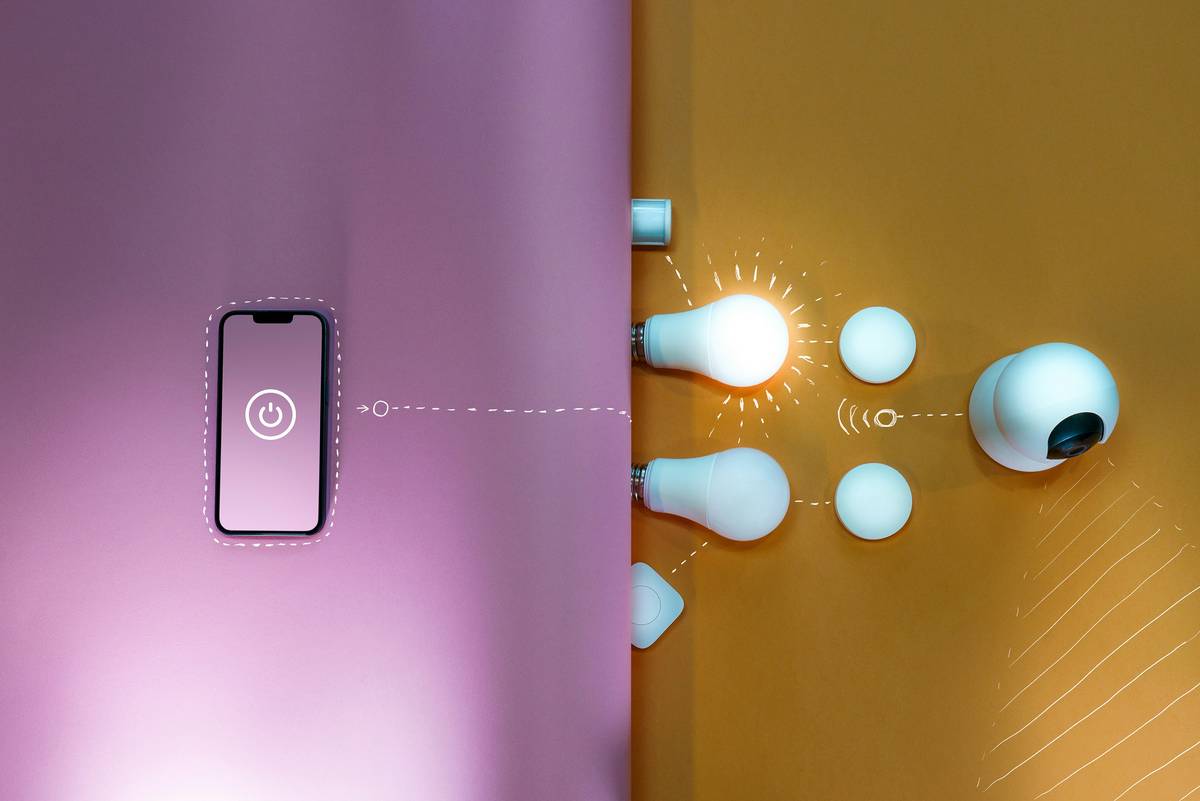
Don’t guess. Use Halo’s mobile app to lock your signage at 2700K–3000K. Any cooler, and it feels sterile. Any warmer, and details blur. Bonus: sync it with your driveway path lights for visual continuity from street to door.
Automate Without Overcomplicating
Set schedules based on sunset—not fixed times. Halo pulls local solar data automatically. Add a geofence trigger so your sign brightens 10 minutes before you arrive home. No more dark entries.
| Installation Method | Upfront Cost | Lifespan | Signage Readability | Smart Integration |
|---|---|---|---|---|
| Generic Smart Bulbs | $15–$25 | 1.5 years | Poor (glare/hotspots) | Limited (basic on/off) |
| Off-Brand LED Strips | $30–$60 | 2 years | Fair (uneven diffusion) | Partial (color only) |
| Halo Home Smart Lighting System | $80–$120 | 5+ years | Excellent (uniform glow) | Full (schedules, scenes, voice, geofence) |
The Industry Secret: Lighting Designers Use Halo Backwards
Here’s what manufacturers won’t tell you: the Halo system’s real power isn’t in its brightness—it’s in its dimming curve. Most smart lights drop off harshly below 20% output, killing ambiance. Halo uses logarithmic dimming calibrated to human night vision. At 15%, your sign remains legible but doesn’t blind guests arriving at midnight.
Better yet—run it in “moonlight mode” during late hours. It reduces blue spectrum output by 40%, minimizing neighbor complaints and light pollution. This isn’t just convenience. It’s responsible illumination.
Frequently Asked Questions
Does the halo home smart lighting system work with Alexa and Google Assistant?
Yes. It natively supports both. You can say “Alexa, dim the house numbers to 30%” or “Hey Google, turn off the mailbox light.” No hubs required—just Wi-Fi.
Can I install it myself without an electrician?
Absolutely. Halo runs on low-voltage DC. Plug the power adapter into any outdoor-rated outlet, stick the lights, and connect via app. Just avoid hardwiring into 120V lines—that’s where pros earn their fee.
How weather-resistant is the halo home smart lighting system?
All outdoor-rated Halo kits are IP65 sealed—resistant to rain, snow, and dust. But never submerge them. And always route connections upward to prevent water ingress.