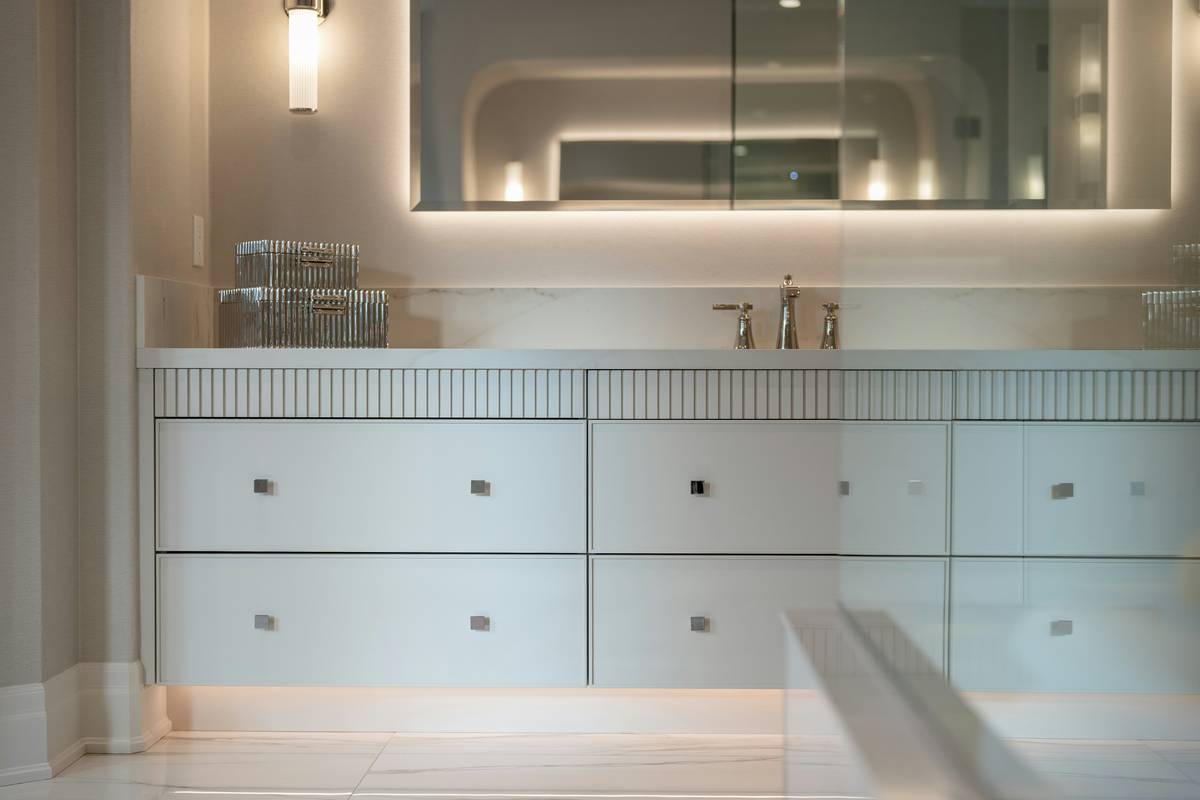
Dark, shadowed reflections. Harsh overhead glare. Foggy glass after every shower. If your morning routine feels like a battle against poor lighting and clutter, you’re not alone. The real issue? Most bathroom mirrors do nothing but reflect—they don’t enhance. A mirror cabinet with built in lighting solves it all: integrated illumination, hidden storage, and sleek design that elevates even the tiniest powder room.
The Core Problem: Why Standard Mirrors Fall Short
Traditional mirrors are passive. They hang. They reflect. That’s it. And in bathrooms—where lighting is often an afterthought—they create more problems than they solve. Shadows pool under your eyes. You miss stray hairs while shaving. Makeup looks flawless… until you step outside into daylight. And let’s not forget the countertop chaos from bottles, brushes, and tubes spilling everywhere.
Overhead recessed lights? They cast unflattering downward shadows. Vanity sconces help—but eat up wall space and rarely offer focused task lighting. Worse, most “lighted mirrors” sold today use cheap LEDs that flicker, buzz, or die within a year. You end up replacing bulbs or entire units faster than you rotate towels.
How to Choose and Install the Right Mirror Cabinet with Built in Lighting
Picking one isn’t just about aesthetics. It’s about function, longevity, and how well it integrates with your existing electrical setup. Here’s how to get it right—without regrets.
Assess Your Space and Power Needs
Measure your wall width and available depth. Most cabinets range from 24” to 60” wide. Check if there’s a nearby GFCI outlet—or if you’ll need hardwiring (hire an electrician if unsure). Never daisy-chain high-wattage lighting off an existing vanity circuit without verifying load capacity.
Prioritize LED Quality Over Brightness
Lumens aren’t everything. Look for CRI (Color Rendering Index) ≥90—this ensures true-to-life skin tones. Temperature matters too: 3000K–4000K gives warm-to-neutral white light ideal for grooming. Avoid anything below 80 CRI; it washes out details and distorts colors.
Choose Smart Storage Layouts
Shelves should be adjustable. Fixed compartments become useless fast. Tilt-out trays? Great for daily essentials. Hidden outlets inside the cabinet? Game-changer for charging toothbrushes or curling irons without dangling cords.
| Installation Type | Average Cost | DIY Feasibility | Best For |
|---|---|---|---|
| Plug-in (corded) | $250–$500 | High — just mount and plug in | Renter-friendly setups, no hardwiring |
| Hardwired | $400–$900 (+ electrician $150–$300) | Low — requires licensed pro | Permanent renovations, seamless look |
| Battery-operated (rechargeable) | $200–$400 | Very High | Half-baths, cabins, or temporary spaces |
The Industry Secret: Lighting Should Frame—Not Flood—the Face
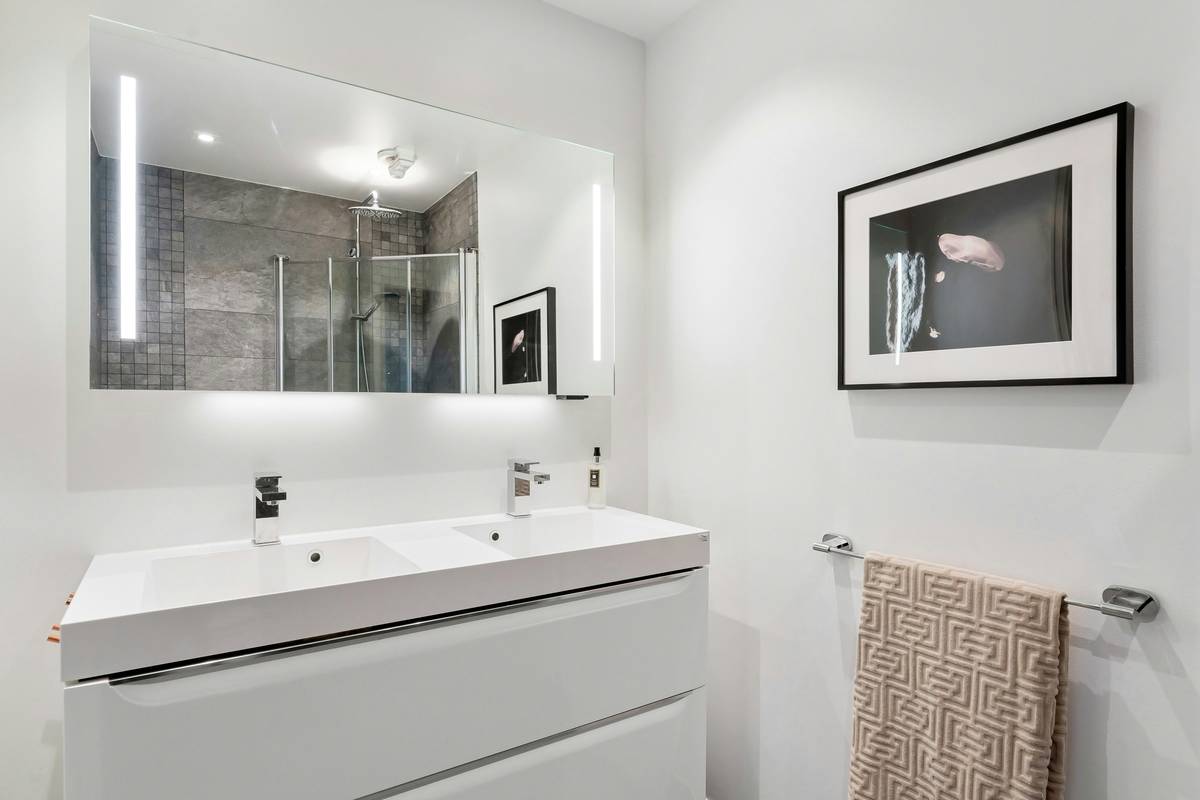
Here’s what big-box retailers won’t tell you: uniform front-facing light strips cause flat, depthless reflections. The pros use vertical edge lighting—LEDs mounted along the left and right borders of the mirror. This mimics natural window light, casting gentle highlights on facial contours instead of washing everything out. It eliminates raccoon eyes and jawline shadows better than any ring light.
And—and this is critical—never skip anti-fog tech. Integrated demisters (usually a low-watt heating pad behind the glass) activate with the lights or via timer. No more wiping steam off with a towel mid-routine. One contractor I spoke with admitted: “We spec these in 90% of high-end builds now—not because clients ask, but because they never complain again.”
Frequently Asked Questions
Do mirror cabinets with built in lighting use a lot of electricity?
No. Most run on efficient LEDs drawing 10–25 watts—less than a standard incandescent bulb. Running it 30 minutes daily costs pennies per month.
Can I replace the bulbs if they burn out?
In quality models, LEDs are integrated but rated for 30,000+ hours (8–10 years). If failure occurs, the entire lighting module usually swaps out—no soldering required.
Are these cabinets moisture-resistant?
Reputable brands seal electronics in IP44-rated housings, safe for humid bathrooms. Avoid non-certified imports—moisture ingress kills circuits fast.