You’ve spent hours picking the perfect mirror. The frame matches your tiles. The size fits the wall. But every morning, you’re squinting—shadows under your eyes, harsh glare from overhead bulbs, or worse, a yellow cast that makes your skin look sickly. Standard bathroom lighting doesn’t flatter; it fights you. The solution? bathroom mirrors with built in lighting—not just a trend, but a functional necessity most homeowners overlook until it’s too late.
Why Traditional Mirror + Separate Lights Don’t Cut It
Most people bolt on sconces or rely on ceiling fixtures. Big mistake. Side-mounted lights create unflattering shadows on either side of your face. Overhead cans blast light downward, washing out features and amplifying pores. And don’t get me started on color temperature mismatches—pairing a 3000K bulb with a 4000K LED strip underneath your mirror? Disaster.
Here’s the reality: lighting must wrap *around* your face—not above or beside it—to mimic natural daylight. That’s impossible with disconnected fixtures. You need coherence. Integration. Precision. And that only comes when illumination is engineered directly into the mirror itself.
How to Choose & Install Bathroom Mirrors with Built in Lighting
Forget guessing. Follow this battle-tested framework—refined from dozens of high-end remodels across Michigan and beyond.
Step 1: Match Color Temperature to Your Routine
Morning shavers need crisp clarity (3500K–4000K). Nighttime skincare enthusiasts prefer warmer tones (2700K–3000K). Some premium models offer tunable white LEDs—worth every penny if your bathroom serves double duty.
Step 2: Prioritize Edge-Lit vs. Backlit Design
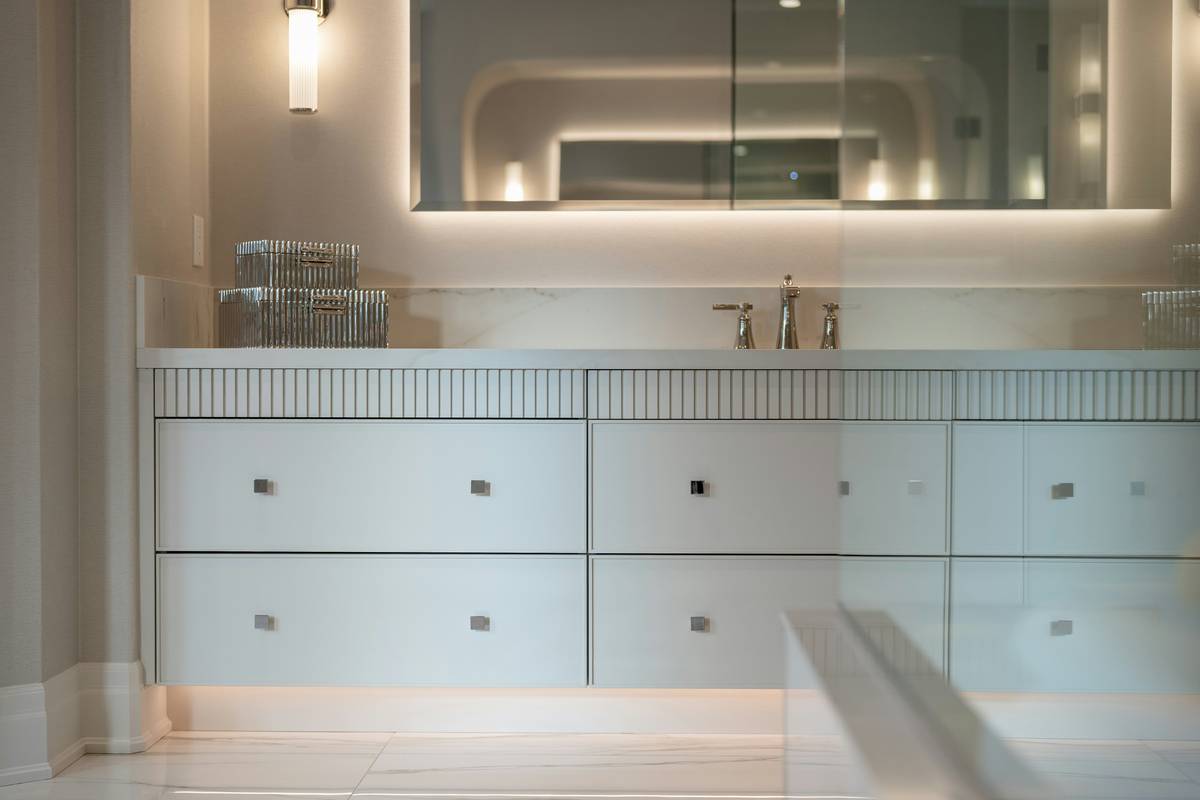
Edge-lit mirrors shine light outward from the perimeter—ideal for task lighting. Backlit creates a soft halo effect behind the glass, great for ambiance but poor for detail work. Unless you’re filming ASMR videos, go edge-lit for function.
Step 3: Wire It Right (Don’t Cheap Out)
Hardwired units last longer, draw cleaner power, and avoid the cord clutter of plug-in models. Yes, it costs more upfront. But skipping an electrician now means replacing flickering transformers in 18 months.
| Installation Type | Average Cost | Lifespan | Best For |
|---|---|---|---|
| Plug-in (DIY) | $120–$250 | 2–3 years | Renters, temporary setups |
| Hardwired (Pro) | $350–$800+ | 7–10+ years | Primary bathrooms, resale value |
| Smart-Integrated | $500–$1,200 | 5–8 years | Tech-forward homes, mood lighting |

The Industry Secret: Mirror Thickness Dictates Light Quality
Most buyers obsess over frame style or smart features. Pros know better. The real differentiator? Glass thickness. Thin mirrors (under 5mm) cause light bleed—those annoying hotspots near the edges where LEDs peek through. Thicker glass (6mm+) diffuses light smoothly across the entire surface. It also reduces vibration hum from cheaper drivers.
And here’s something no showroom will tell you: anti-fog systems work *better* when integrated with lighting circuits. Heat from LEDs subtly warms the glass surface—cutting condensation by up to 40% without needing a separate defogger pad. Combine engineering with elegance, and you’ve got a winner.
Frequently Asked Questions
Do bathroom mirrors with built in lighting use a lot of electricity?
No. Most use 10–25W LED strips—less than a single incandescent bulb. Running it 30 minutes daily costs pennies per month.
Can I replace the bulbs in these mirrors?
Not usually. LEDs are permanently mounted. But quality units last 30,000+ hours—roughly 15 years at typical use. Buy once, forget forever.
Are they safe near water and steam?
Yes—if rated IP44 or higher. This means splash-resistant and safe for Zone 2 (within 60cm of sink). Always verify certification before buying.