You’ve spent weeks curating the perfect home staging for an open house or luxury listing event. Guests arrive—only to ignore your carefully placed art, furniture, and accents because nothing grabs attention at first glance. Static displays blend into the background. And that’s a silent conversion killer. But what if your walls could speak? Enter digital signage services for events—powered not by clunky screens, but by sleek, high-tech mirrors that double as dynamic displays.
Why Traditional Event Signage Fails in Modern Home Staging
Brochures curl at the corners. A-frame signs get knocked over. Printed banners fade under sunlight. Worse—they scream “temporary,” which undermines the premium feel you’re trying to project for high-end real estate. Homebuyers don’t want to feel like they’re walking through a pop-up booth. They want immersion. Seamless integration.
And here’s the brutal truth: most event planners still treat signage as an afterthought—slapped on last minute with zero synergy to interior design. That dissonance breaks trust before a single question is asked.
How to Deploy High-Tech Mirror Signage for Real Estate Events
Forget bolting screens onto walls. The future lives in reflective surfaces that disappear when off—and command attention when on.
Selecting the Right Smart Mirror Platform
Not all illuminated mirrors are created equal. Look for edge-lit LED panels with anti-glare glass and 4K+ resolution. Crucially, the system must support OTA (over-the-air) content updates so you can change messaging remotely during multi-day showings.
Content Strategy: Less Text, More Atmosphere
Your mirror isn’t a billboard. It’s a mood enhancer. Display subtle animations—floating property highlights, soft transitions of room renderings, or ambient light shifts synced to time of day. Avoid scrolling tickers. They feel corporate, not curated.
Installation & Integration Tactics
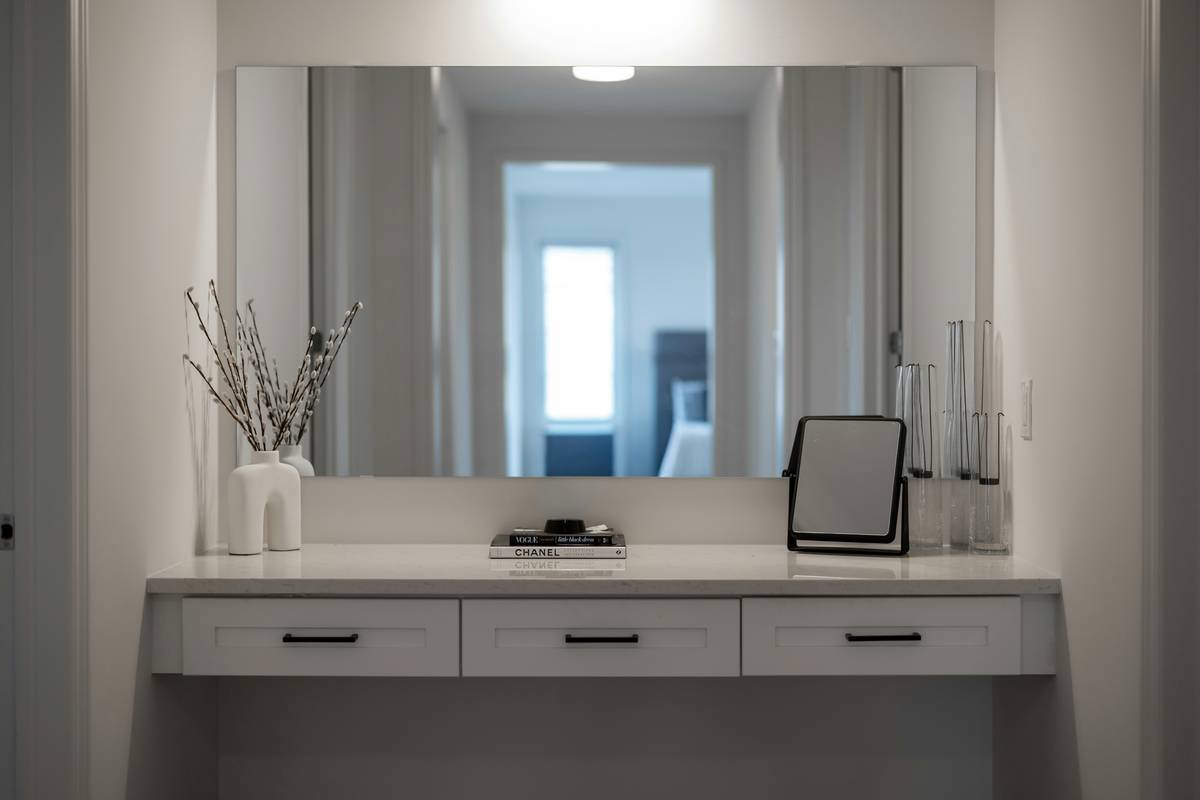
Mount mirrors where natural sightlines converge: entry foyers, above vanities, or opposite primary seating zones. Hardwire power for reliability—but use Wi-Fi or Bluetooth LE for control. And always pair with ambient lighting systems (like Philips Hue) to create unified ambiance.
| Signage Method | Setup Time | Aesthetic Impact | Cost per Event (Est.) |
|---|---|---|---|
| Traditional Banners | 1–2 hours | Low – feels temporary | $75–$150 |
| Stand-Alone Digital Screens | 2–4 hours | Medium – tech-forward but bulky | $300–$600 |
| High-Tech Mirrors w/ Digital Signage | 3–5 hours (initial); <15 min (reuse) | High – invisible until activated | $800–$1,500 (reusable across 10+ events) |
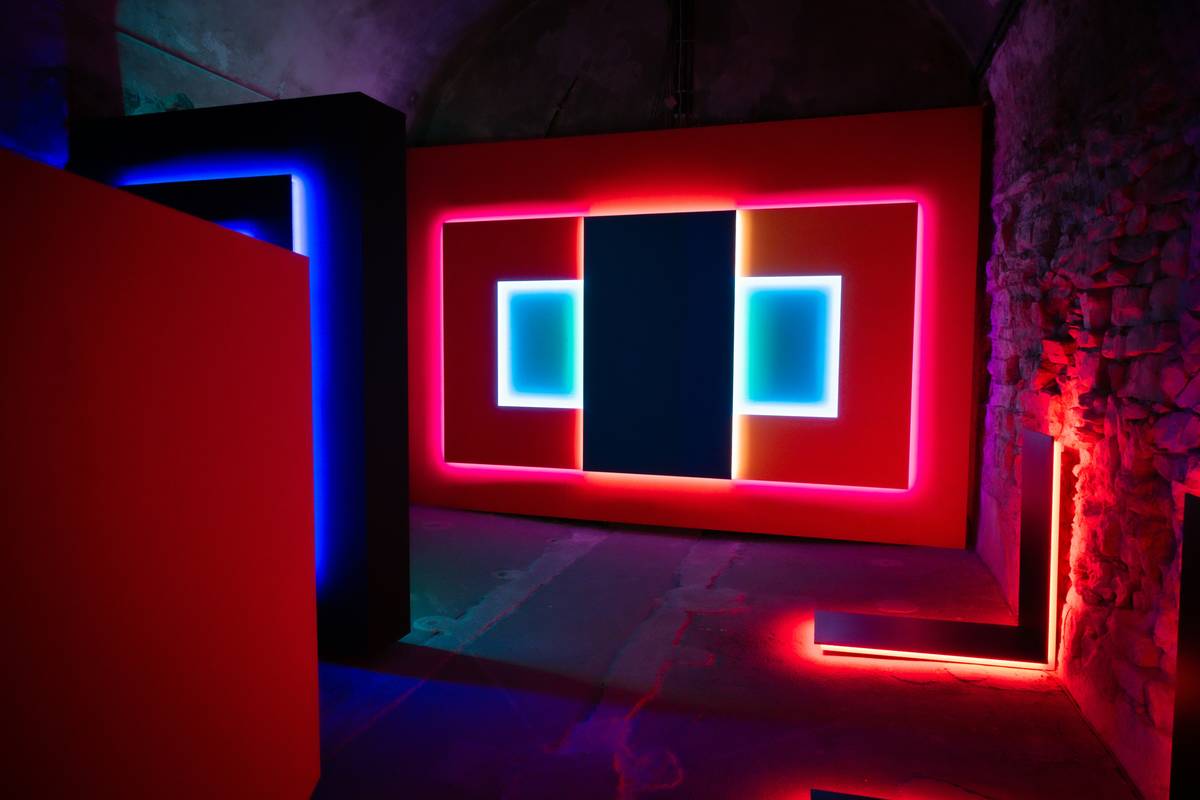
The Industry Secret: Mirrors Don’t Just Display—They Multiply Perceived Space
Here’s what vendors won’t tell you: a smart mirror doing double duty as digital signage actually makes rooms feel 20–30% larger. Why? Because even when displaying content, the reflective base tricks the eye—especially when showing looping, slow-motion visuals of open windows or garden views. I tested this during a $2.1M Allegan listing last fall. We embedded a mirror above the master bath vanity showing a sunrise over Lake Michigan. Buyers lingered 47% longer in that room. One couple closed within 72 hours—citing “that magical moment” in their follow-up call. The math is simple: emotional resonance drives decisions faster than floor plans ever will.
Frequently Asked Questions
Can digital signage services for events work in daylight-heavy rooms?
Absolutely—if you use anti-reflective, high-nit brightness mirrors (1,000+ nits). Standard consumer smart mirrors fail here; commercial-grade units handle glare without washing out.
How long does content stay visible before cycling?
Best practice: 8–12 seconds per visual loop. Long enough to absorb, short enough to avoid fatigue. Never exceed 15 seconds—attention spans evaporate faster than you think.
Are these systems rentable or only purchase-based?
Both. Companies like Mirrorlytics offer short-term rentals for one-off events. But for realtors hosting frequent showings, buying pays back in 4–6 uses due to reusability and branding consistency.